traceable inputs eco materials technical raw material products
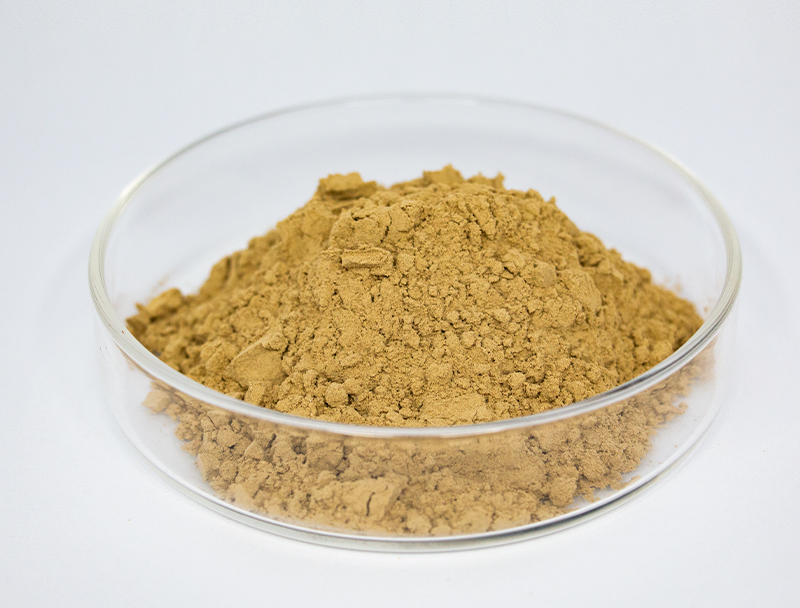
Large-scale bioproduction hinges upon a comprehensive selection of feedstocks to create novel bio-derived items.
Assuring the sustainable sourcing of these resources forms the foundation of durable, responsible industrial growth.
a range of complications linked to historic procurement practices including environmental degradation and exploitation of natural resources. Hence, stakeholders must deploy sustainable supply practices to minimize environmental costs.
- Examples of sustainable sourcing practices include:
- Using repurposed agricultural residues as substrates
- Operating reuse-focused platforms to lower discard and increase efficiency
- Working with community-based suppliers that follow ethical standards
Embracing sustainable procurement produces environmental benefits with profitable potential.
Optimizing Biomass Feedstocks for Enhanced Biofuel Production
Enhancing biofuel output is grounded in superior feedstock characteristics. Technologists actively pursue refinements to increase feedstock efficiency, facilitating elevated yields and a renewable energy transition. Approaches include genomic enhancements to boost biomass growth and processing methods to convert complex lignocellulose into fermentable sugars.
- Similarly, research probes algae, byproduct streams, and harvest remnants as potential sustainable sources to augment biofuel feedstocks.
- By means of ongoing innovation the biofuel sector can achieve substantial advances soon, shaping a cleaner energy future.

Upstream Process Improvements for Modern Biopharma Production
spans early manufacturing steps including propagation and cell separation Recent progress has advanced techniques that maximize productivity and increase output.
Significant developments incorporate advanced biological platforms, tailored medium blends, and precision reactor engineering. These advances improve throughput while lowering both operational expenses and ecological footprints.
- Likewise, the move to continuous systems facilitates better adaptability and streamlined upstream production.
- The adoption of higher-tech manufacturing practices will likely disrupt traditional models and speed therapeutic launches.

Precision Genomic Tools Enhancing Biopharmaceutical Yields
breakthroughs in precise gene modification systems have reshaped biopharma production. By accurate genomic tuning, developers enhance yields of critical biopharmaceuticals. These methods could enable production of accessible and efficient medicines tackling diverse health challenges.
Microbial Biotechnology as a Sustainable Cleanup Strategy
promising microbial strategies enabling effective environmental cleanup and restoration. Microbial species can metabolize and convert hazardous compounds into benign byproducts.. Leveraging microbial biotransformation promotes sustainable remediation that curbs industrial environmental impacts.. Scientists are actively exploring a wide range of microbial species with diverse metabolic capabilities to target various pollutants, including heavy metals, pesticides, oil spills.. Such organisms are usable in treatment systems or applied directly to soils and waters to drive biodegradation of contaminants..
The use of microbial biotechnology in bioremediation offers several advantages over conventional methods. Microbial remediation can cut expenses and limit harmful secondary emissions. Similarly, microbe-based remediation affords specificity that avoids extensive ecosystem disturbance. Ongoing innovation aims to boost the throughput and efficacy of microbe-driven remediation approaches.
Computational Biology in Drug Discovery
Bioinformatics techniques are integral to present-day therapeutic development workflows. By integrating diverse datasets, bioinformatics enhances candidate identification and therapeutic optimization.
- By interrogating large-scale omics and clinical information, scientists find new targets and predict candidate efficacy.
- Additionally, simulation tools enable prediction of binding and activity, guiding creation of more potent drugs.
- In the end, informatics-driven methods streamline development and accelerate delivery of therapeutic solutions to patients.
Metabolic Design Approaches to Boost Bioproduct Yields
adopts varied approaches to raise biosynthetic yields of beneficial compounds. Tactics can encompass genetic engineering to reconfigure metabolism, promoter modulation to adjust expression, and pathway insertion to enable new reactions.. By refining pathway flux and regulation engineers can significantly raise bioproduct production.
This wide-ranging tactic can overhaul industries spanning medicine, agriculture, and energy production.
From Lab to Plant: Challenges and Opportunities in Biomanufacturing Scale-Up
Industrial-scale production introduces demanding hurdles as well as strategic advantages. Ensuring product consistency at larger manufacturing scales represents a major hurdle. Meeting the need calls for dependable control systems, granular monitoring, and cutting-edge analytical methods.

Also challenging is the layered complexity of biomanufacturing encompassing numerous sequential steps.. Converting small-scale NMN procedures to plant-scale operations necessitates extensive innovation and optimization.. Nevertheless, the upside can be significant. Well-executed upscaling can improve therapy access, decrease costs, and enhance economic performance.
Challenges are being addressed through a number of initiatives. Examples include novel optimization technologies, predictive analytics for real-time control, and inventive production models.
- Ongoing innovation drives improvements in industrial production capability.
- Regulatory bodies are modernizing pathways to accelerate approval of advanced production technologies and support innovation.
Understanding Regulatory Oversight to Ensure Biopharmaceutical Quality
Developing biologic treatments requires exacting oversight to ensure consistent safety and efficacy. Biologically derived medicines entail particular manufacturing and regulatory complexities compared with chemical drugs.
Organizations like the FDA and EMA provide essential guidance and set standards for authorizing novel biotherapeutics..
Thorough testing frameworks are compulsory during all stages of development including after market release.. The measures work to spot potential hazards and validate that therapies reach demanding safety levels..
Additionally, regulators regularly update methods to match the pace of fast-moving biopharma innovations.. Strategies include welcoming technological advances and simplifying development while prioritizing patient safety.
Plant-Origin Feedstocks in the Production of Bioplastics
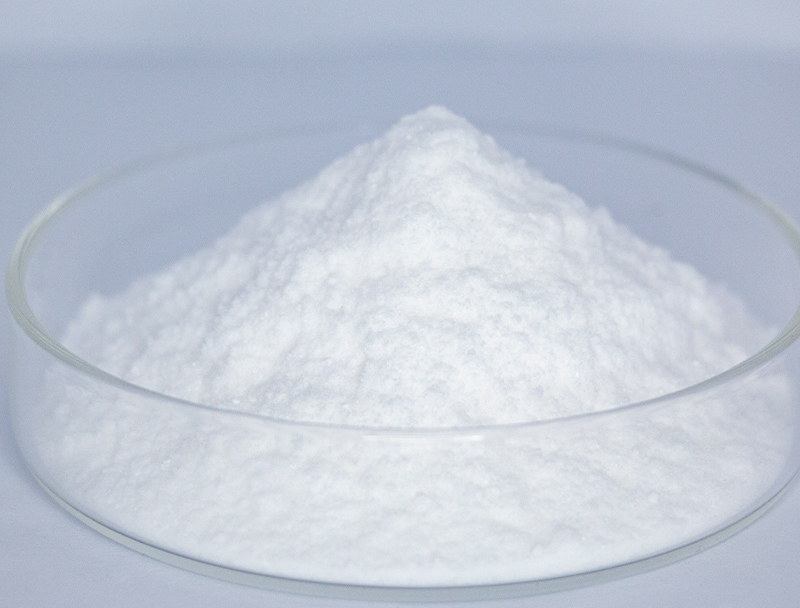
The trend toward sustainability stimulates development of renewable material technologies. Plant-derived biomass as input for bioplastics represents a practical route toward greener materials. Sources like cornstarch, cellulose fibers, and sugarcane biomass can transform into compostable plastics that decompose and reduce pollution.
Likewise, some plant-derived plastics perform similarly to petroleum-based materials for a variety of uses.. Ongoing studies and technology development are vital to exploit plant feedstocks for bioplastics and foster a circular economy.
Biotech Innovations Addressing Health and Food Challenges
Biotechnology offers potent solutions for advancing public health and enhancing food security. By applying gene editing, synthetic biology constructs, and cellular therapies, scientists create tools to fight disease, raise yields, and boost nutrition.. One example is bioengineered crops that withstand pests and stressors, enabling higher yields with less pesticide input.. Likewise, biotechnology enables new vaccines, novel therapeutics, and improved diagnostics essential to global disease mitigation and better health.. As innovations mature, biotechnology can provide meaningful contributions toward global health and resilient food supplies for future generations.
 5-ALA
5-ALA